All-season Ambitions Put Alberta Ski Resorts At A Crossroads
Alberta is pushing ahead with a major transformation of its mountain tourism sector, unveiling a new legislative framework to foster year-round ski resort development while triggering debate over environmental protection, public land use, and consultation practices.
At the centre of this shift is the All-Season Resorts Act (ASRA), recently adopted by the provincial government to create a regulatory pathway for resorts that operate beyond the traditional winter season. Under the Act, outdoor recreation areas such as ski hills can be formally designated as all-season resort zones, allowing for expanded summer activities, year-round hospitality services, and new commercial infrastructure on Crown land that was previously constrained by seasonal-only rules.
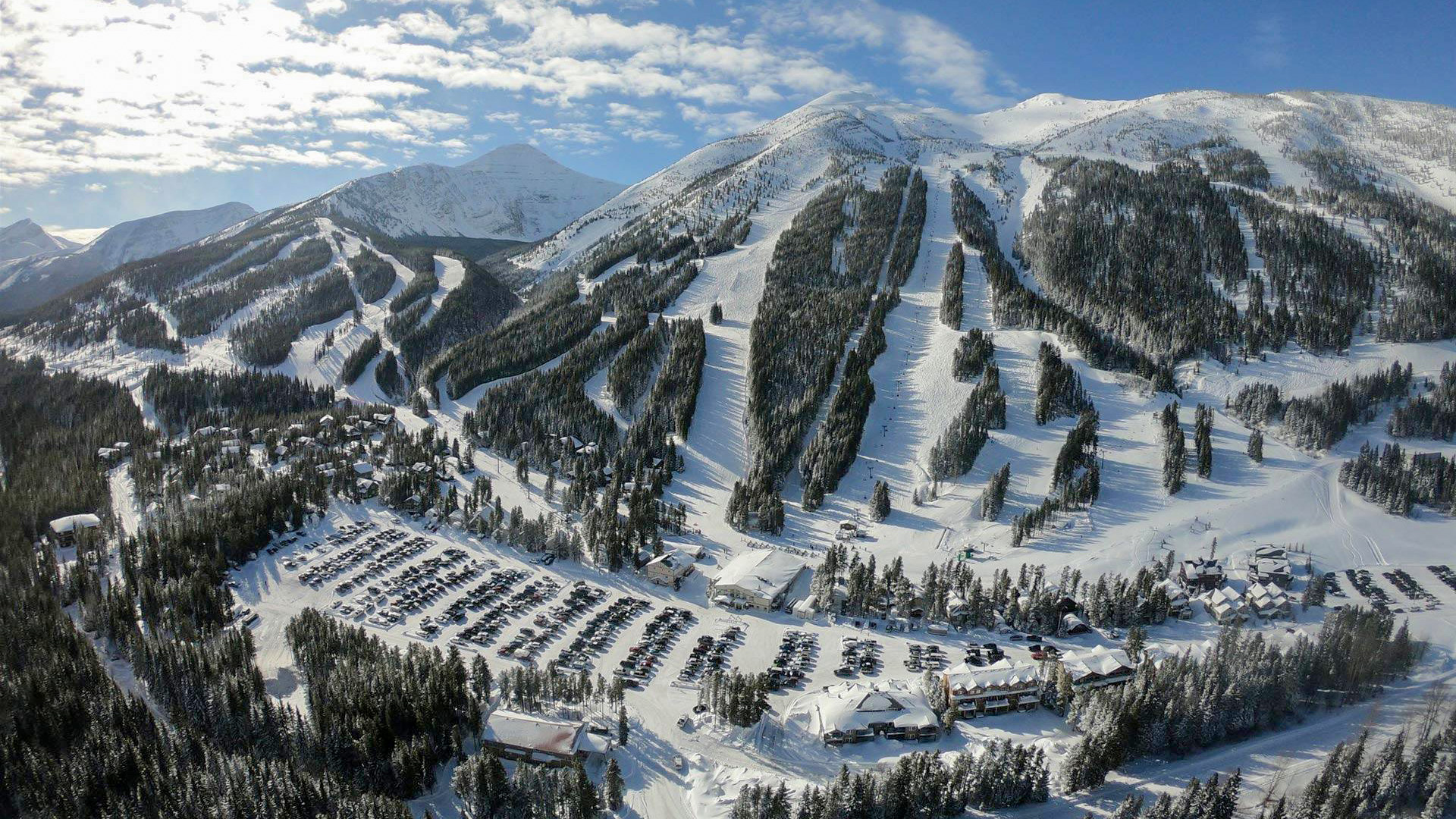
The first three designations under the Act include Nakiska, Castle Mountain Resort and Fortress Mountain. Nakiska and Castle have long served as ski destinations, while Fortress has sat dormant since 2005 (cat-skiing operations notwithstanding). Long discussed but until now lacking a clear legislative framework to support a comprehensive four-season vision, Fortress is “still in the early stages of the process, and does not yet have all the necessary details to share,” said project director Danielle Vlemmiks. “However, we are looking forward to working with the community, Indigenous partners, and the government to reimagine the space sustainably.”
Diversification and jobs in the spotlight
According to the provincial government, the new approach is intended to modernize Alberta’s tourism offerings, reduce barriers to investment, and diversify local economies. By enabling resort infrastructure to function year-round, officials argue that seasonal tourism can be balanced with sustainable economic growth, boosting visitor numbers and supporting local jobs in mountain communities.
“The designations announced will revitalize Alberta’s legendary ski resorts by enabling the development of sustainable, world-class experiences that were previously stalled or stopped by red tape,” explained Vanessa Gomez, press secretary for Minister of Tourism and Sport Andrew Boitchenko. “Because each project is unique, timelines depend on the complexity of the project, level of engagement required and environmental assessments. All-season resort areas will offer a wide variety of affordable and accessible recreation experiences for outdoor and sports enthusiasts, families and visitors wishing to discover Alberta’s backyard.”
Supporters also contend that offering warm-weather attractions such as hiking, mountain biking and outdoor events could relieve pressure on national parks that struggle with heavy seasonal visitation, spreading demand more evenly across the year.
Critics call out side-stepping of safeguards
Yet the policy has drawn strong criticism from environmental and conservation groups, who warn that the changes risk undermining long-standing protections for landscapes Albertans value for recreation and ecological integrity. The Canadian Parks and Wilderness Society (CPAWS) has emerged as a prominent voice in this critique, arguing that the Act sidesteps core environmental land-use planning safeguards.
According to the organization, ASRA exempts tourism development within all-season resort zones from routine environmental assessments and public consultation processes that typically apply to land use decisions in Alberta, effectively circumventing the Alberta Land Stewardship Act and the Environmental Protection and Enhancement Act.
The legislation also grants the Minister of Tourism and Sport the ability to delist or alter protected area designations to accommodate resort zones, a move that has alarmed conservation leaders who worry about precedent and long-term land stewardship. Initial designations have already involved boundary changes or removal of protected status in parts of Castle Wildland Provincial Park and other adjacent areas.
In response, CPAWS Southern Alberta’s executive director described the potential implications of the policy: “This could mean large-scale, commercial resort development—with year-round access and activity—in beloved spaces like Kananaskis Country, which Albertans seek out for connection to nature and quiet, sustainable opportunities for recreation.”
As Alberta debates the future of its mountain landscapes, the clash between economic development ambitions and conservation values is shaping up to be a defining issue in how the province balances the competing priorities of tourism growth, environmental stewardship, and community interests in the decades ahead.